
"Do Not Forget Australia"
The story of Victoria School

Australia and France are literally a world apart. But their shared history of blood sacrifice in war has united them across distance and decades. Many Australians answered the call of the First World War, fought, and died on French soil. There are names of rural French towns that are well known in Australian history. Places like Fromelles, Pozieres, and Villers-Bretonneux. Places where thousands of Australian soldiers went and so many never returned.
I can’t imagine the collective grief in the aftermath of the First World War. The fighting was done and now there was a focus on cleanup and recovery. Places where battles were fought were unrecognizable. There are still places in France, near Verdun, that are a Zone Rouge due to lingering contamination and unexploded shells over a century later.
In parts of Europe, every town has a war memorial commemorating the young men who left and never came back between the 1914 and 1918. Some were buried in foreign soil. Some were simply lost. Human beings are capable of violent mass destruction. But they are also capable of restoring and rebuilding.
There are countless monuments to those lost. Commemoration events carry over to this day. Traditions and rituals help people to cope with unimaginable loss. And out of the literal ashes of towns lost to war, there was rebuilding.
The scars of war are evident on the Somme. Carters, pockmarks, and winding cuts through the land. The ruins of concrete bunkers. The towns have been rebuilt. Farms have been reclaimed. Monuments serve as solemn reminders of the past and markers for the dead.
But there was a unique sort of war memorial that I had the privilege of touring when I took my trip to the Somme in July 2025.
It was a school. The Victoria School in Villers-Bretonneux.
During the 1920s, in the aftermath of destruction, schoolchildren in Victoria, Australia led the charge in helping schoolchildren in France. This wasn’t just a class project. This was grief in motion. This was turning pain and loss into hope and purpose. Many of these school children, in both countries, had lost their fathers, brothers, uncles, and cousins in the war. The French children in Villers-Bretonneux had lost their homes and their school.
I cannot find information as to exactly what sparked this idea. But it turned into a movement. Australian children and teachers started a Penny Drive. They wanted to give something to the children and communities that their own blood relatives had fought and died for. They wanted to continue the cause in restoring a sense of normalcy and healing. So they collected money to build a school in France.
The school was completed and opened on ANZAC Day in 1927. It still serves as an operational school to this day. It is named Victoria School.
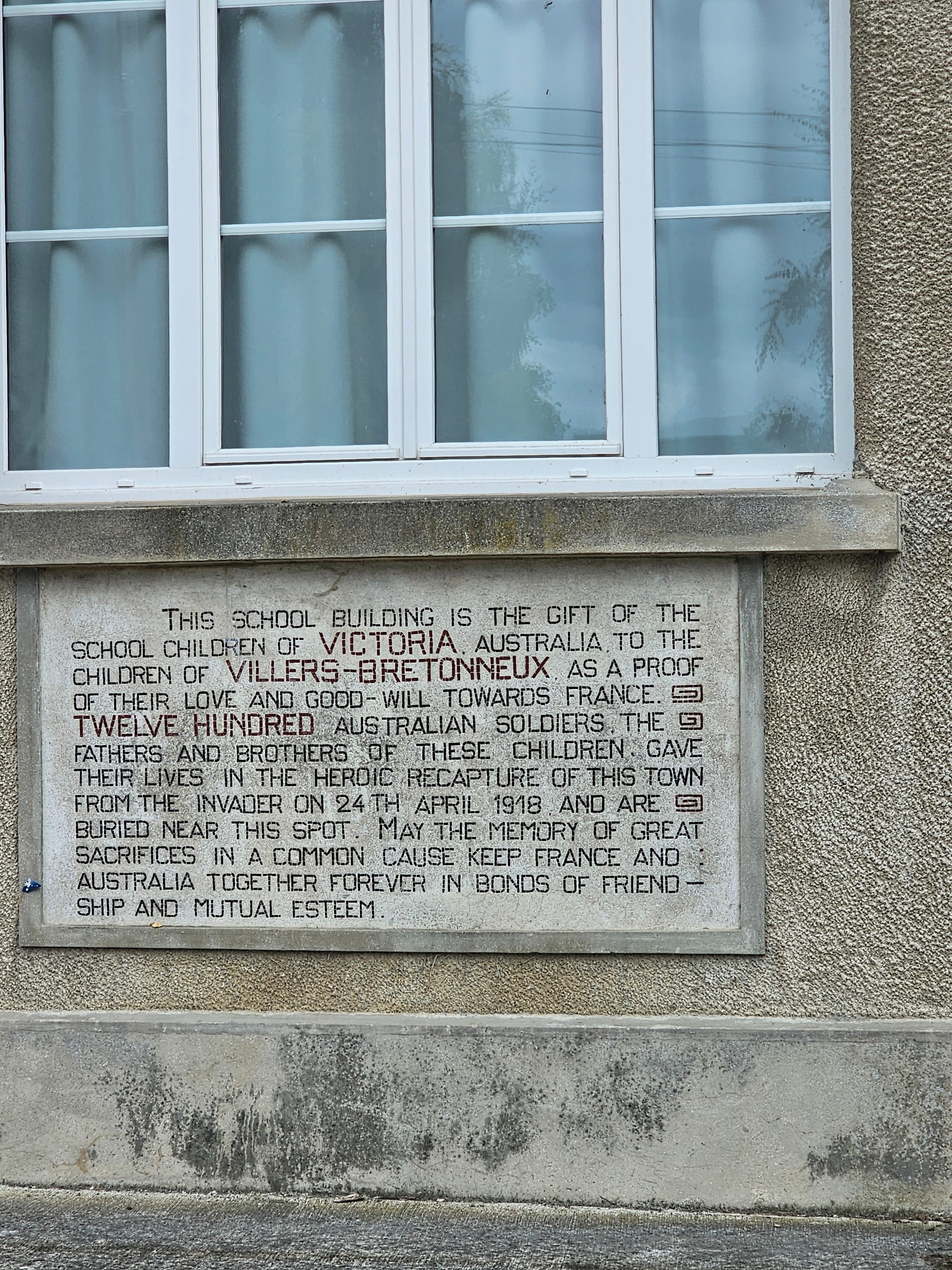
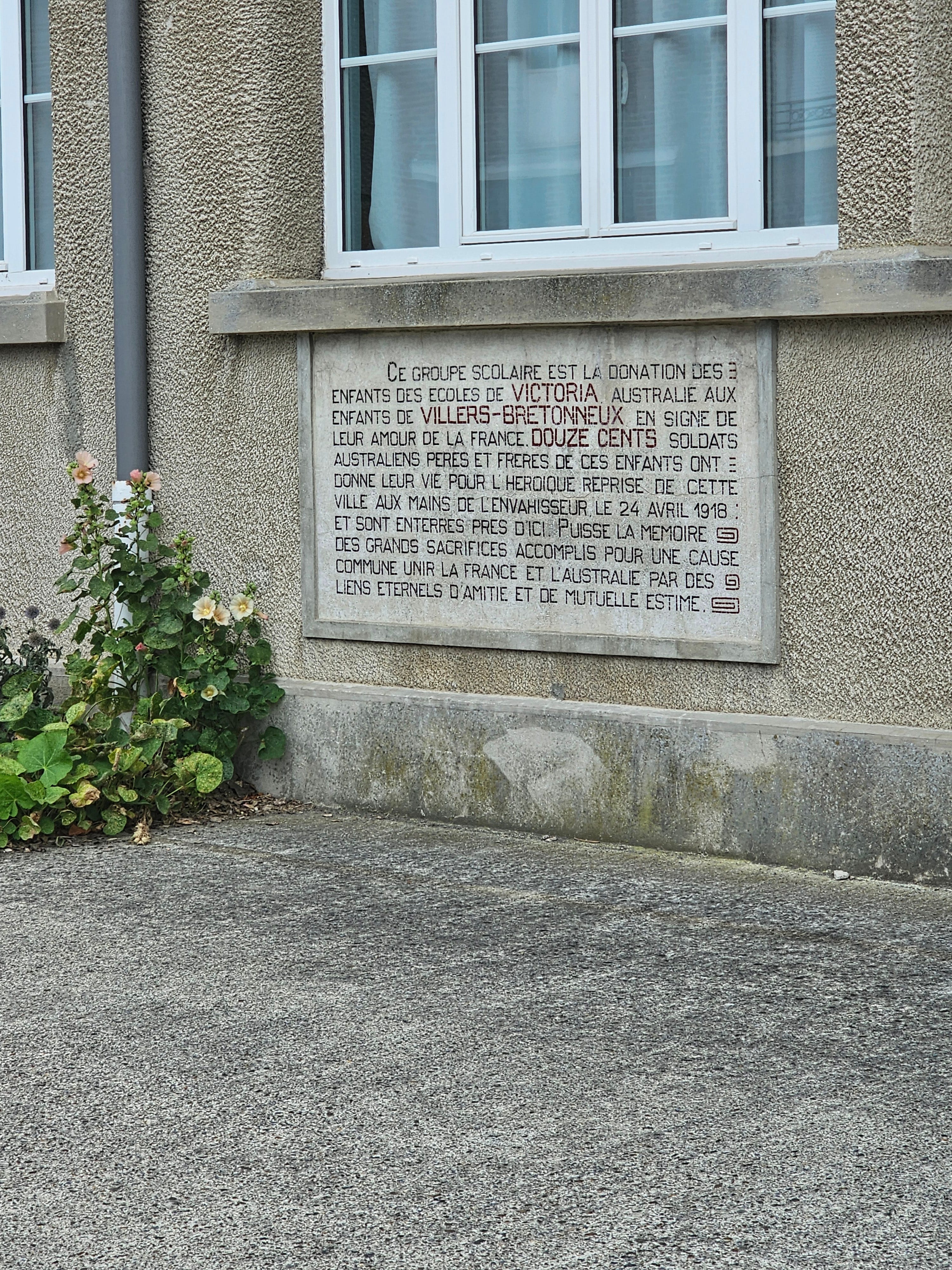
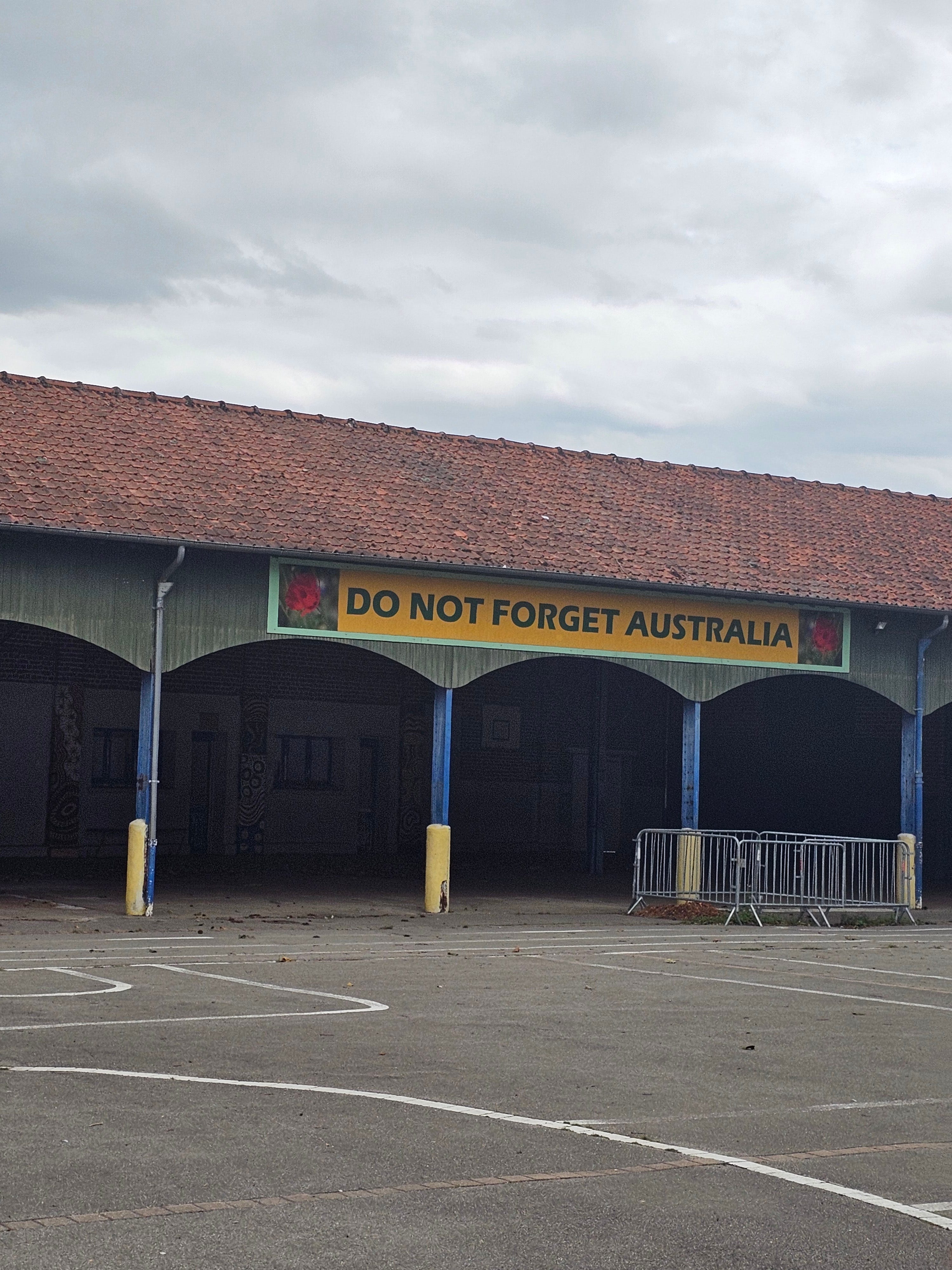
Every classroom has “Don not forget Australia” above the blackboard. Children sing the Australian National Anthem as well as the French National Anthem. There are paintings and sculptures and architecture honoring Australia’s wildlife, people, and places.
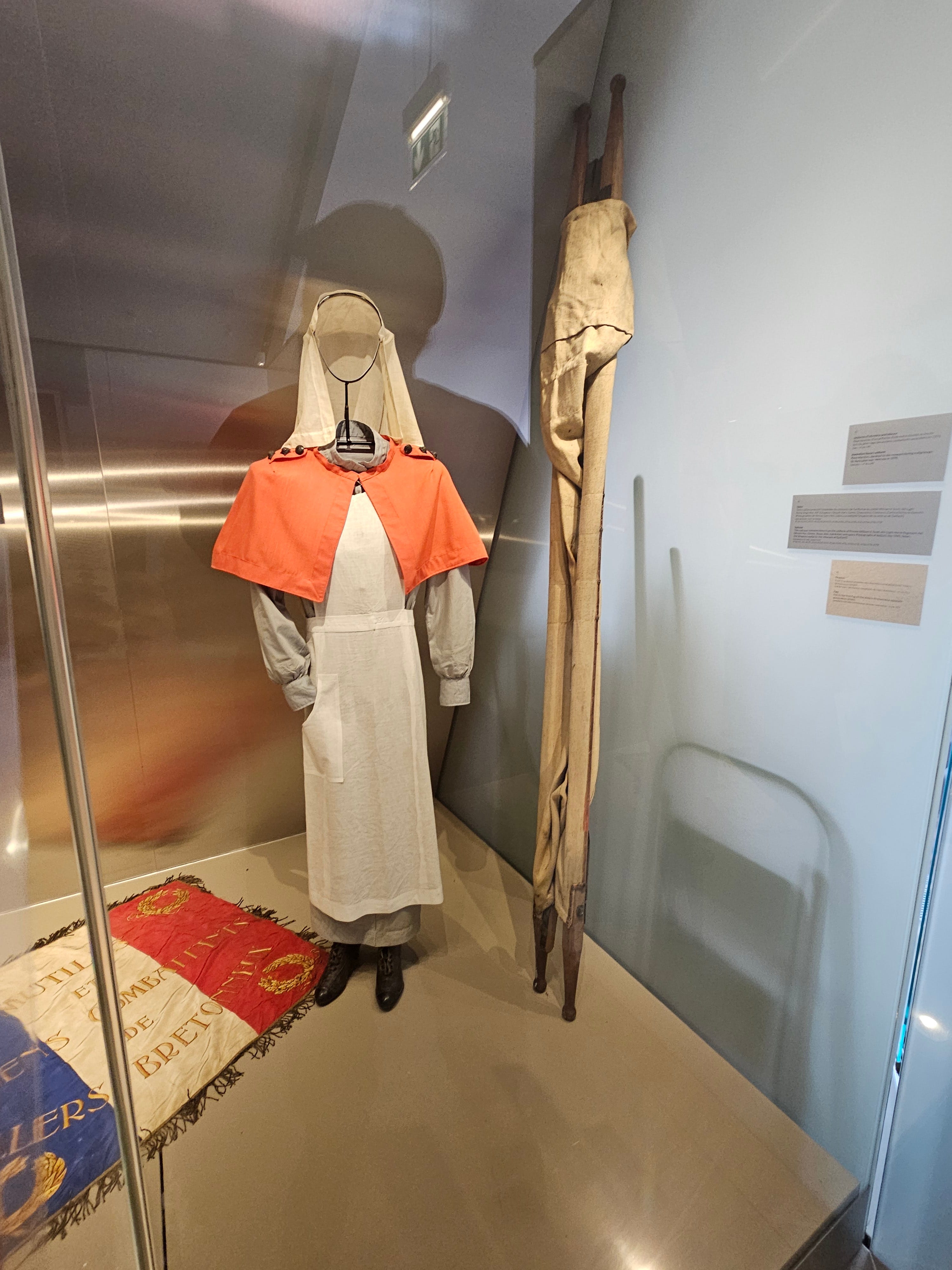
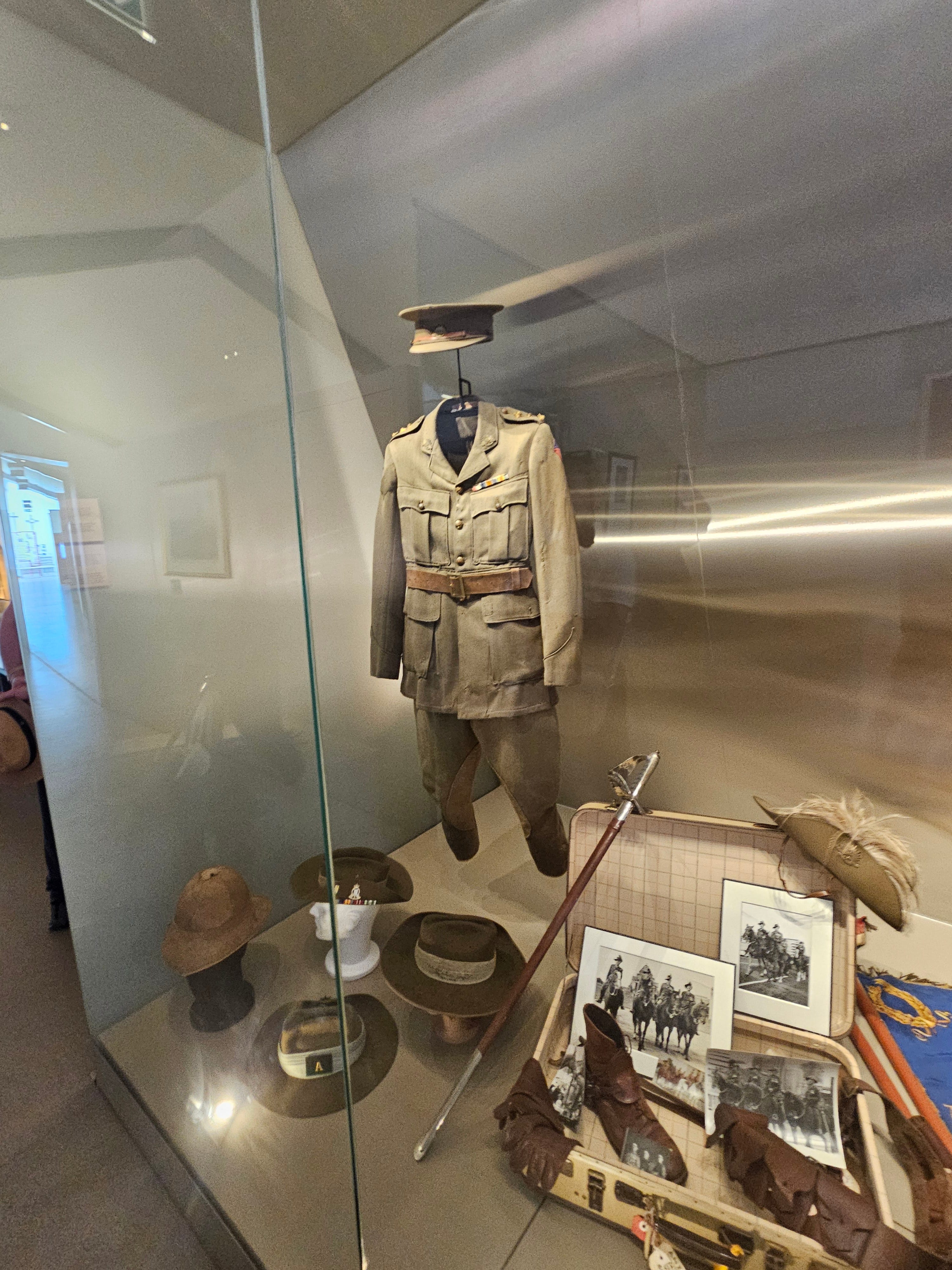
And, in the attic, there is a museum dedicated to the Australian soldiers who fought and died for them.
A small school, tucked away in a small town, in a rural area of France represents the bond of two nations on opposite ends of the planet.
It’s these acts that give hope in humanity’s darkest hours. Pain can be turned into purpose. Hope and resilience can arise from the ashes of war.